
Back
Updated at: July 12, 2026
How to Win a Hackathon (Without Losing Your Mind)

Hey folks. I'm Yaroslav (https://www.linkedin.com/in/yaroslavvolovoj/) — and hackathons? They're more than just a weekend gig for me. It's a whole lifestyle.

Over the past year, I’ve been deep in the game, smashing through hackathons from Telegram and TON, Google, Near, and more. My biggest win so far? A sweet $70,000 prize at the Near Build Hack (check it out here: https://devpost.com/software/lmb). But it’s not just about the money — it’s about the thrill, the community, and turning wild ideas into working products.
If you're heading into your first (or tenth) hackathon — here’s a real-talk guide on how to survive it, thrive in it, and maybe even walk away with a win.
1. First Rule of Hack Club: Read the Rules
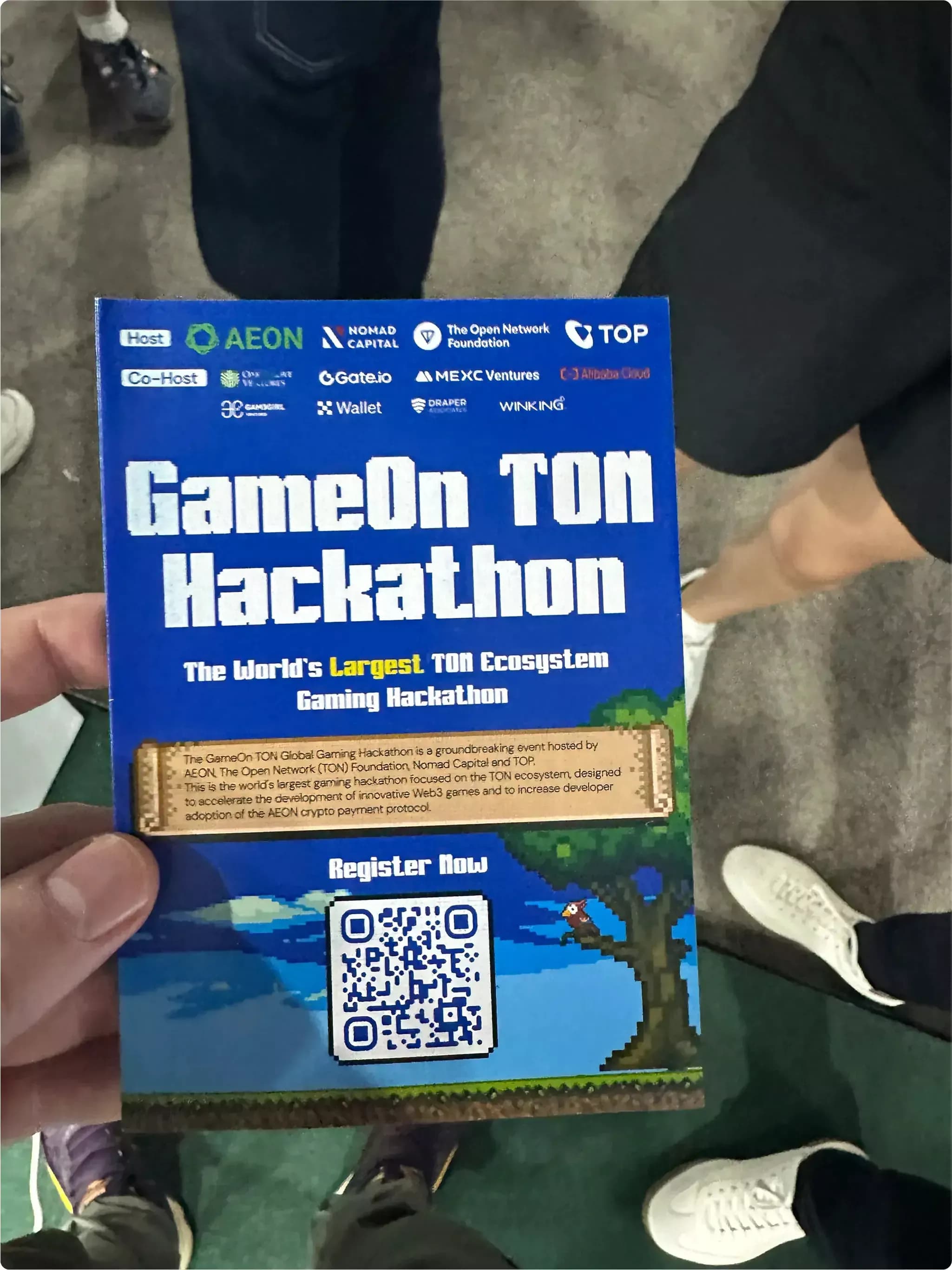
You’d be surprised how many teams build an amazing product... and then get nuked by the judges for missing the brief.
Hackathons aren’t free-for-alls — they’ve got themes, criteria, and often secret win conditions (like using the sponsor’s SDK). Sometimes, it’s all about the story. Sometimes, they want deep tech. And sometimes, it’s “just show us a cool use case.”
TL;DR:
- Read the rules like Hermione.
- Understand the judging criteria.
- Then build with those in mind.
If you don’t know the game, how can you win it?
2. Your Idea = Your Edge
Don’t try to build a unicorn in a weekend. Find a sharp, clear problem. One realuse case.
One fire feature.
Here's the trick:
- Spark: It has to be something you're hyped about. Judges feel that energy.
- Validate: Ask users, mentors, or randos online: “Would you use this?”
- Avoid bloat: Cut the fat. If it’s not demo-worthy, it’s dead weight.
One team I saw did a full-blown survey during the hack. Judges went nuts — it showed real demand. That’s how you stand out.
3. Squad Goals: Assemble Your Avengers
The perfect team?
- Tech beast (or two)
- UI/UX wizard
- Business brain
- Pitch master (aka your stage killer)
Not all teams are big — but what matters is complementary skills. Decide roles early. Parallel work wins. No bottlenecks. No endless debates. Vote, move, build.
And if you’re remote — set up a Discord, Notion, shared Figma, Git, whatever works. Sync fast. Don’t ghost your own team.
4. Time Management Is Life Management
Time flies. Like seriously. One minute you’re ideating, the next — it’s demo time and you’re still pushing bug fixes with shaky hands.
Hack like a pro:
- First 1–2 hours: setup tools, repo, workflow.
- Plan by stages: dev → test → polish → pitch.
- Keep scope tight. 70% of something good beats 0% of a masterpiece.
- Appoint a timekeeper. Someone has to say “Drop the feature, we’rerehearsing.”
And for the love of coffee — leave 2–3 hours for the pitch. That’s your endgame.
5. MVP > Everything
Wanna win? Build a Most Presentable Feature (MPF) — not a full product. Hackathons reward what looks good and works now.
- Use what you know — no need to learn a whole new stack mid-hack.
- Use mock data if backend’s not done.
- Can’t get the API? Fake it till you make it.
- Style it, polish it, make it demo sexy
And please — test the demo. One crash on stage = instant heartbreak. Always prep a video backup.
6. Pitch Like You Own the Place
Your product might be fire — but if you don’t tell the story, it’s just smoke.
- Your pitch should answer:
- What’s the problem?
- How do you solve it?
- Why does it matter?
- What’s next?
Keep slides short, visual, and bold.
Have one confident speaker (two max). Practice with a timer. Twice. Maybe three times. And if it's a video pitch — bring the energy. Judges are watching dozens of
videos. Yours has to grab them in the first 10 seconds.
7. Be Ready for Curveballs
Judges will ask:
- “How will you scale?”
- “Why did you choose this approach?”
- “What’s next?”
Don’t panic. Be real. Say what you did, what you couldn’t, and how you’d do it after the hack.
Transparency + vision = pro move
8. Bring the Vibe
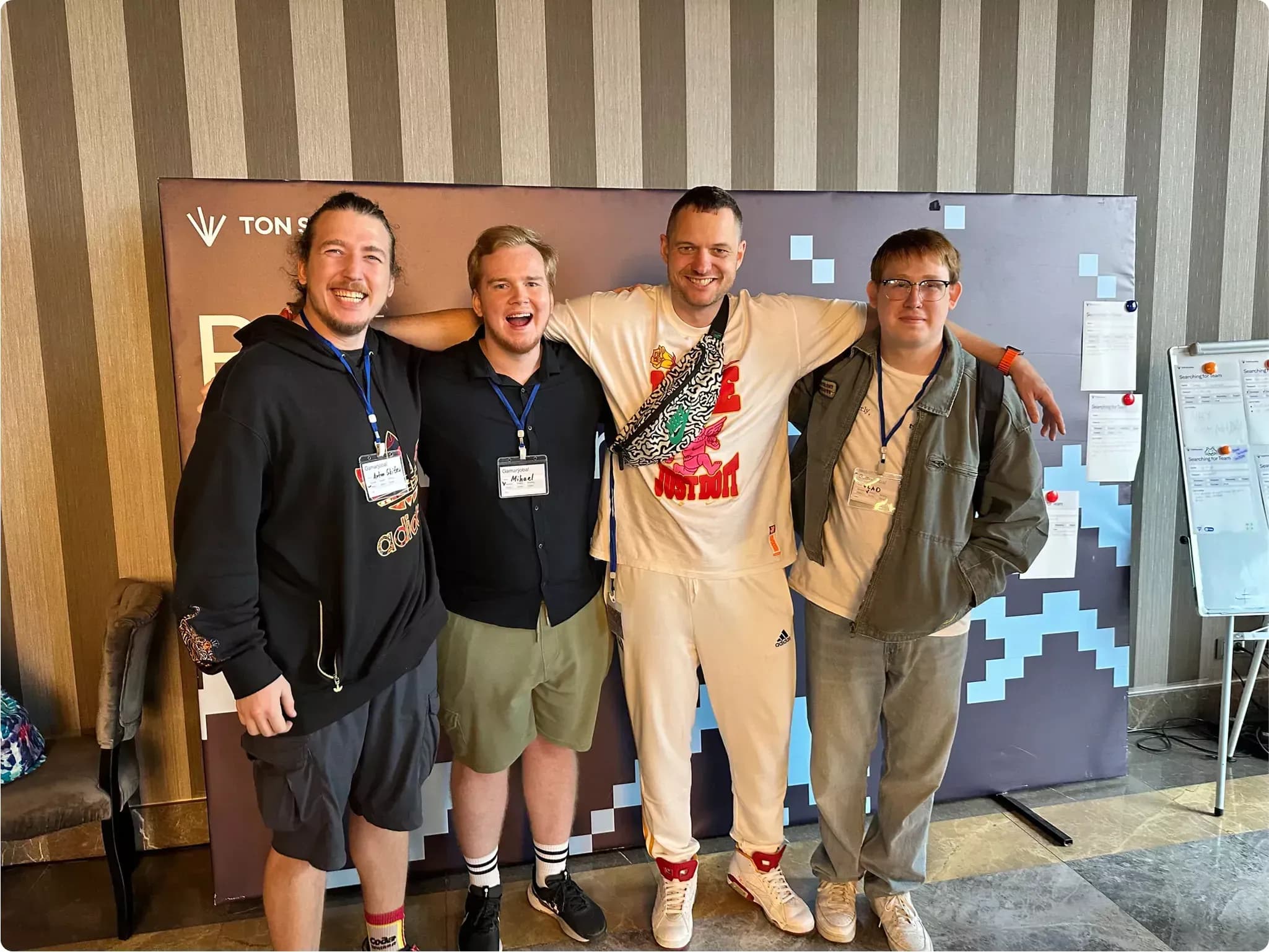
Hackathons are team sports. Good energy, good attitude — they show. Judges notice happy, driven teams.
So:
- Crack jokes.
- Cheer each other on.
- Celebrate wins, even small ones
You’re not just building a product. You’re building momentum, friendship, and maybe your next startup.
One Last Thing...
Winning is cool. But even if you don’t take home a prize — you leave with something better: experience, network, and a battle story to tell.
But if you do want to win?
Know the rules. Solve something real. Keep it lean. Sell it like a boss. And never lose the vibe.
See you on the leaderboard. Or better yet — on stage.
Summary:
Hackathons are intense events that can be more than just competitive; they can serve as a vibrant community experience. Success in these events often hinges on understanding the specific rules and judging criteria, which can vary significantly from one hackathon to another. A focused and innovative idea, rather than an overly ambitious project, is crucial for standing out, and validating the idea with potential users can enhance its appeal. Forming a complementary team with defined roles helps facilitate efficient collaboration, especially in a fast-paced environment. Effective time management is essential, with a structured approach to development, testing, and polishing the final product before the pitch. Creating a Most Presentable Feature (MPF) that looks good and functions well can outweigh attempting to build a complete product. A compelling pitch is crucial, as it conveys the project's value and potential while capturing the judges' attention. Being prepared for unexpected questions from judges and demonstrating transparency can further solidify a team's credibility. Maintaining a positive atmosphere within the team can enhance performance and make the experience more enjoyable. Ultimately, whether or not a team wins, the skills, connections, and stories gained during the hackathon are invaluable.
Read also:



hackathon
howtowinahackathon
hackathonwinner
hackathontips
yaroslavvolovoj
devpost
nearbuidhack
tonhackathon
telegramhackathon
googlehackathon
nearpodcast
web3hackathon
techcompetition
howtosurvivehackathon
winningmindset
startuplife
productdemo
hackclub
buildtolaunch
hackathonrules
hackathonstrategy
codetowin
developerchallenge
teamworkinnovation
rapidprototyping
buildwithsdk


Head Office: We Develop IT
LLC 1191 Lula Ln
Franklin, TN 37064
Services
Process
Portfolio
Testimonials and Team
Awards and Trends
Blog and news


